

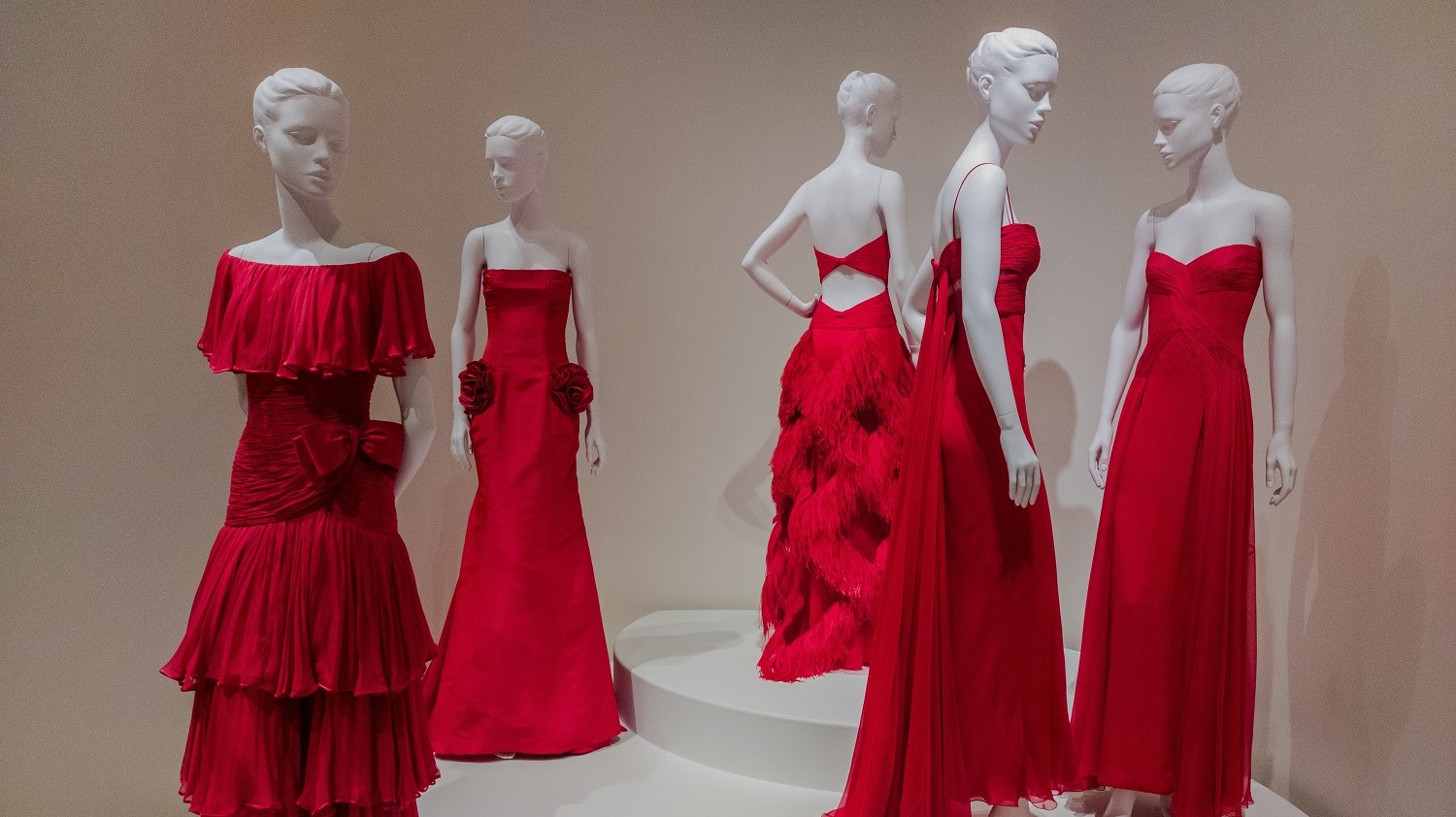

Valentino Garavani, who passed away in 2026 after a lifetime shaping the world of haute couture, did more than dress actresses and aristocrats; he created a visual language that people recognize in a heartbeat. His world of sweeping silhouettes, immaculate tailoring and that iconic shade of “Valentino red” turned his name into shorthand for a particular idea of elegance. The consistency of his vision endures as a brand identity so strong that it lives on. That journey from individual creativity to enduring, recognizable “signature” is exactly where intellectual property in fashion begins.
When a designer’s work becomes instantly identifiable, it stops being just clothing and starts functioning as an intangible asset. At that point, the questions change: it is no longer only “Is this beautiful?” but also “Who is allowed to use this name, this look, this symbol and on what terms?” Valentino’s legacy shows how creative elements can turn into business value that needs structure and protection. This is the bridge from couture to law, from atelier to intellectual property.
Trademarks
In fashion, trademarks protect the signs that tell you where a product comes from: house names, logos, monograms, sometimes even signature colors or patterns. “Valentino Garavani” on a label is not just a credit to the designer. It is a registered right that allows the house to control how and where that name appears – on shoes, bags, perfumes and even collaborations.
For luxury brands, strong trademarks make global expansion possible. They support licensing, franchising and partnerships, and they are the main tool against counterfeits and “sound-alike” brands. When a shopper reaches for a logo they trust, it is trademark law that stands behind that moment of recognition.
Designs and copyright
Beyond the name, there is the look itself. Fashion leans heavily on design rights and, in some cases, copyright to protect garments, accessories and prints. Registered designs can safeguard the overall appearance of a product, including the lines, contours and shapes that give a shoe or dress its distinctive profile.
Copyright comes into play when a creation shows enough originality, for instance, hand-drawn prints, elaborate embroidery, sculptural details or distinctive graphic elements. Haute couture, which often blurs the line between clothing and art, sits especially close to this space. While not every gown or blazer will qualify, some pieces are original enough to be treated like works of applied art rather than just consumer goods.
Copying, inspiration and the fashion “grey area”
Fashion feeds on inspiration. Designers borrow from archives, culture, street style and, sometimes, from each other. Trend cycles mean you might see echoes of a Valentino silhouette on a high-street rack weeks after a runway show.
Problems start when imitation becomes too literal. Exact or near-exact copies of protected designs, misuse of someone else’s logo or marketing that hints at a false connection with a famous house can all cross into infringement.
Why IP matters for creative freedom
It may sound paradoxical, but robust intellectual property often supports, rather than restricts, creativity. When designers know that their names, key designs and symbols can be defended, they are more willing to invest in risky ideas, craftsmanship and long-term brand building.
Valentino Garavani’s story captures this balance: a singular aesthetic, nurtured over time, becomes a brand. That brand, once recognized, relies on IP to protect its meaning. For today’s designers, the message is clear. First, build a world that is unmistakably your own. Then, use the law, not as the starting point, but as the quiet structure that allows that world to flourish, endure and be fairly rewarded.
This text is for informational purposes only and should not be considered as legal advice. Should you require any additional information, feel free to contact us.